Health and Safety Policy for Gardeners Finsbury
 Our Health and Safety Policy for Gardeners Finsbury sets out the standards that support safe, consistent, and responsible work on every garden project. Whether we are carrying out routine maintenance, seasonal tidying, planting, pruning, or larger outdoor improvements, we are committed to reducing risk for staff, clients, visitors, and the wider public. This policy applies to all gardening activities and to all working environments where our teams may be present.
We believe that safety and quality go hand in hand. A well-managed garden service is not only more reliable, but also less likely to create avoidable hazards. Our approach is based on careful planning, clear communication, and the use of suitable equipment. We aim to ensure that every gardener working under this policy understands their responsibilities and follows safe working practices at all times.
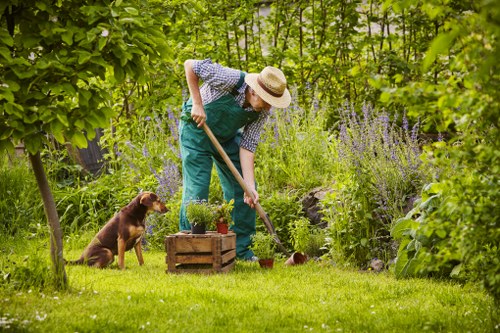 Before work begins, each task is assessed for potential risks. This may include uneven ground, slippery surfaces, sharp tools, falling branches, manual handling concerns, weather conditions, or the presence of children, pets, or members of the public. By identifying these issues early, our gardeners can choose the safest method of working and reduce the chance of incidents. Risk awareness is part of every stage of the job, from setup to completion.
Equipment safety is a core part of this policy. All tools, machinery, and protective items must be checked before use and maintained in good condition. Damaged or unsafe equipment must be removed from service immediately. Gardeners are expected to use the right equipment for the task, follow manufacturer instructions, and wear appropriate personal protective equipment where required. This may include gloves, safety footwear, eye protection, ear protection, or high-visibility clothing.
Manual handling is another important area. Garden work often involves lifting bags of soil, moving pots, carrying waste, and handling awkward or heavy materials. To reduce strain and injury, staff are instructed to assess loads carefully, use safe lifting techniques, and ask for assistance when needed. If a task appears too heavy or difficult to manage safely, the work should be adjusted rather than rushed. Good practice helps protect both the team and the property being maintained.
 The middle of any job is where safe habits matter most. Gardeners must remain alert to changing conditions, keep work areas reasonably tidy, and avoid leaving tools or materials where they could cause trips or falls. Public access routes should be kept clear whenever possible, and any temporary hazard should be marked or controlled. Our garden health and safety policy also requires special care when using powered tools, handling ladders, or working near walls, fences, sheds, water features, and ornamental planting.
Weather can significantly affect outdoor work, so our team adjusts practices according to the conditions on the day. In high winds, heavy rain, ice, or extreme heat, tasks may need to be delayed, reduced, or reorganised. Sun protection, hydration, and suitable clothing are encouraged during warmer periods, while wet and cold conditions require extra attention to footing and visibility. A responsible Finsbury gardening safety approach means adapting work to the environment rather than forcing unsafe progress.
Training and supervision support this policy. All staff should receive instruction relevant to their duties, including safe use of equipment, hazard recognition, incident reporting, and emergency procedures. New or less experienced workers must be supervised where necessary until they are confident and competent. We expect every team member to take personal responsibility for safe behaviour and to speak up if they notice a risk that should be addressed. Safety works best when it is shared across the whole team.
We also place importance on protecting the client’s property. Gardens often contain delicate plants, decorative surfaces, lighting, irrigation systems, and other features that can be damaged during routine work if care is not taken. Therefore, our health and safety standards include respect for boundaries, careful movement of tools and materials, and attention to the layout of each site. Where vulnerable features are present, work methods should be planned to prevent avoidable harm.
 Accident and incident reporting is essential. Any injury, near miss, equipment failure, or unsafe condition should be recorded and reviewed so that corrective action can be taken. Prompt reporting helps prevent repeat problems and supports continuous improvement. If an emergency occurs, the immediate priority is always the safety of people nearby, followed by appropriate first aid, site control, and further action as required.
Our commitment to this policy also includes regular review. Gardening work changes with the seasons, the type of site, and the nature of the task, so safety measures must remain flexible and current. Supervisors should review working methods, equipment condition, and training needs on an ongoing basis. This helps ensure that our garden maintenance safety standards remain effective and practical in real working conditions.
Everyone involved in the service is expected to support a culture of caution, professionalism, and respect. A safe working environment is not achieved by rules alone; it depends on steady habits, proper preparation, and attention to detail. By following this policy, our gardeners can carry out their work efficiently while protecting themselves, the client, and the site.
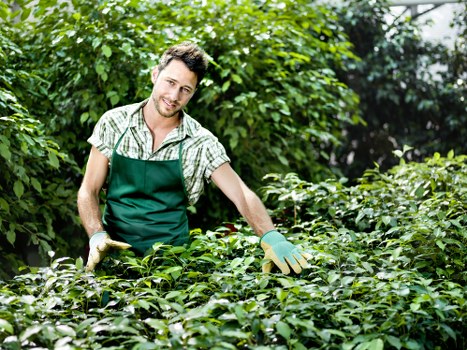 In summary, this gardener safety policy is designed to guide responsible outdoor work and minimise preventable risks. From the first site assessment to the final tidy-up, safe practice should remain a priority. By combining planning, suitable equipment, training, and common sense, our teams deliver reliable gardening services while maintaining a strong focus on health, safety, and care throughout every project.