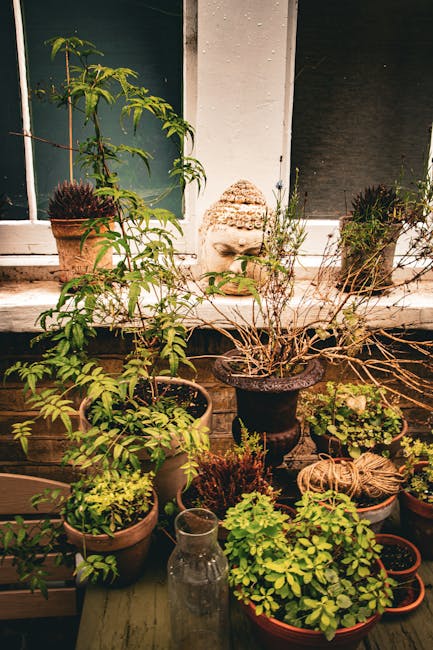
Finsbury Park small garden gardeners for terraces and flats
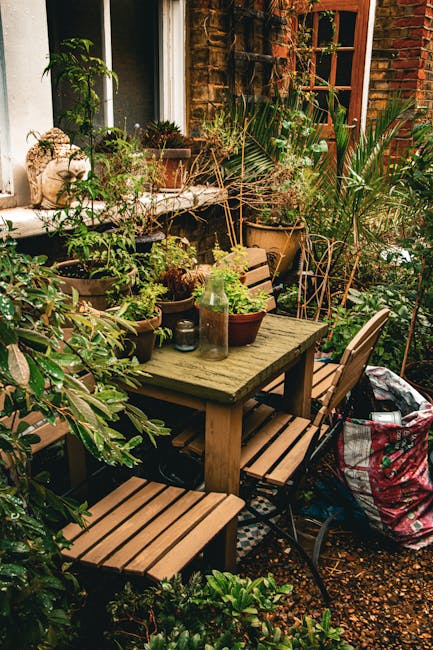
If you live in a terrace, a flat with a balcony, or a compact courtyard near Finsbury Park, you already know the challenge: every square metre has to earn its keep. That is exactly where Finsbury Park small garden gardeners for terraces and flats can make a real difference. A small outdoor space should not feel like a leftover corner. With the right planting, layout, and maintenance rhythm, it can become calm, useful, and surprisingly lush. Truth be told, small gardens often need more thought than big ones.
This guide explains how small-garden gardening works in real life, what to expect from a specialist, which decisions matter most, and how to avoid the usual mistakes that make terraces feel cramped or flats feel underused. You will also find practical tips, a checklist, a comparison table, and a few useful links to deeper reading where it helps. If your space gets shade, wind, or awkward access, that is fine. Those are normal London problems, not reasons to give up.
Why Finsbury Park small garden gardeners for terraces and flats Matters
Small outdoor spaces in Finsbury Park are often exposed to a very London mix of conditions: shade from neighbouring buildings, gusts funnelled between walls, dry pockets near brickwork, and occasional too-much-sun moments that can scorch leaves by lunchtime. Add busy lives, limited storage, and the fact that terraces and flats are usually visible from inside the home, and the design has to work hard. It is not just about making things look nice. It is about making the space usable every day.
That is why specialised gardeners matter. They understand how to use vertical structure, container planting, compact layouts, and low-maintenance planting schemes without making the area feel cluttered. They know when to create privacy and when to leave a bit of breathing room. They also spot problems early, which is a big help in small gardens where one neglected plant can start looking like the whole show has gone off the rails.
For many households, a terrace or flat garden needs to do several jobs at once: somewhere to sit, somewhere to grow herbs, maybe a safe spot for a pet, maybe a corner for children, and often somewhere that still looks tidy from the kitchen window. That is a lot to ask from a tiny footprint. But with the right plan, it is genuinely possible.
For inspiration on making the most of height and structure, take a look at innovative vertical gardening tips and tricks. If privacy is one of your main concerns, quick-growing hedges for garden confidentiality can also help shape the feel of a small space without stealing too much room.
How Finsbury Park small garden gardeners for terraces and flats Works
The process usually starts with a practical assessment rather than a shopping list. A good gardener will look at the light, the direction of wind, existing surfaces, drainage, access, and how you actually use the space. In small gardens, these details matter more than dramatic design ideas. A lovely planting concept is useless if the balcony gets battered by wind or if a courtyard floods after heavy rain.
Next comes the planning stage. This is where the layout is shaped around real habits: morning coffee, evening sitting, herb harvesting, children's play, or simple visual calm. The best plans often use layers. Ground level might hold a durable surface or a few large pots. Mid-level planting may add colour and softness. Higher up, climbers, trellises, or wall-mounted containers provide height without taking away floor space.
Then there is plant selection. For terraces and flats, the shortlist needs to be more selective than in a big garden. The aim is to choose plants that cope with container life, need manageable pruning, and match the site conditions. That might mean drought-tolerant planting for sunny balconies, shade-loving species for north-facing courtyards, or evergreen structure to keep things looking alive through winter. If you want a deeper read on that last point, evergreen climbers for shade and structure can be especially useful.
Finally, the work is installed and then maintained. In practice, this means regular watering checks, deadheading, pruning, feed scheduling, and seasonal adjustments. Small spaces tend to reveal neglect quickly, but they also respond quickly to good care. A couple of tidy-up visits can transform them in a way that feels almost unfair. Like, how did that happen so fast?
Key Benefits and Practical Advantages
There is a very practical reason people invest in small-garden help: the space starts working better with less trial and error. You do not waste time and money buying the wrong pots, plants, or furniture. You do not end up with a balcony full of soggy compost bags and one sad shrub in the corner. Been there, as many homeowners will quietly admit.
Here are the main advantages:
- Better use of limited space - A good layout can make a narrow terrace feel open rather than cramped.
- Cleaner sightlines - Small gardens benefit from a sense of order, which makes them feel larger and calmer.
- More privacy - Screening, hedging, and climbing plants can soften views from neighbouring properties.
- Lower maintenance stress - When the right plants are chosen, upkeep becomes more predictable.
- Year-round interest - Evergreen structure, seasonal colour, and texture keep the space from looking flat.
- Better drainage and plant health - Containers and surfaces can be arranged so water behaves properly, not chaotically.
There is also the emotional side. A good terrace garden changes how you use your home. A plain flat balcony becomes a place to pause for two minutes in the morning. A tiny yard becomes somewhere you can sit after work with the door open and a mug of tea in hand. It sounds small. It is not small in daily life.
If you are keen on creating a stronger sense of calm, zen garden ideas can be adapted neatly for compact urban spaces. For edible interest, growing your own fresh herbs is one of the most rewarding small-space choices you can make.
Who This Is For and When It Makes Sense
This kind of gardening service is ideal for anyone with a terrace, balcony, roof terrace, courtyard, or small rear garden who wants the space to feel purposeful and well cared for. It is especially useful if you have limited time, little planting confidence, or an awkward site that seems to defeat every weekend DIY plan. To be fair, some spaces do that.
You might benefit most if you are:
- a flat owner who wants a balcony garden that does not feel crowded;
- a tenant looking for portable, non-permanent improvements;
- a homeowner with a terrace that needs a refresh rather than a full redesign;
- a busy parent who wants low-fuss planting and tidy surfaces;
- a pet owner wanting a safer, more durable outdoor setup;
- someone who wants privacy without building a fortress of fencing;
- a person who simply wants to enjoy the view from the window again.
It also makes sense when the garden has become a bit of a storage zone. Weeds in the corners, broken pots, a patchy surface, and one or two plants that have been surviving more than thriving. That is usually the point where a proper reset pays off. If you are thinking of a broader refresh, a garden makeover plan is a useful mindset to bring to a small space.
And yes, it can work on a budget. A compact outdoor area does not need a huge plant list to feel complete. In some cases, less really is more.
Step-by-Step Guidance
Here is a simple, sensible way to approach a small terrace or flat garden. Nothing flashy. Just the kind of process that actually holds up after the first rain.
- Clear and assess the space
Start with a clean slate. Remove dead plants, clutter, and anything you no longer use. Then note where the sun lands, where the wind comes from, and where water pools after rain. - Decide the main job of the space
Will it be for sitting, growing, screening, or a mix of everything? A space that tries to be all things with no hierarchy tends to feel messy. - Choose a layout with breathing room
Leave practical walking routes. In a narrow terrace, the temptation is to line every edge with pots. That often makes the place feel tighter, not richer. - Build structure first
Use trellises, planters, benches with storage, screens, or rail planters before buying decorative extras. Structure gives the garden its shape. - Pick plants suited to the conditions
Match plants to light, wind, and container size. Do not fight the site. If the balcony is windy, choose accordingly. If it is shady, embrace it. - Add seasonal and low-maintenance interest
Mix evergreen backbone with a few seasonal stars. That way the garden still looks considered in February. - Install irrigation or set a watering routine
Containers dry quickly, especially on warm terraces. A clear watering rhythm matters more than people expect. - Review after the first few weeks
Good gardeners always tweak. A pot can be moved, a plant can be replaced, a screen can be trimmed. Small gardens improve by adjustment.
For a better feel for plants in containers, the art of cultivating in containers is a helpful read. It covers the basic logic behind successful pot planting, which is basically the backbone of most terrace and flat gardens.
Expert Tips for Better Results
In our experience, the best small gardens are rarely the ones with the most plants. They are the ones where every item has a reason to be there. That sounds obvious, but it is easy to forget when you are standing in a garden centre on a Saturday and everything looks charming.
Tip 1: Use height before width. Vertical growing gives you more plant life without sacrificing circulation. Climbing plants, slim trellis panels, and wall-mounted planters all work hard in tiny spaces.
Tip 2: Stick to a restrained colour palette. Two or three main colours usually feel calmer than six competing ones. Small spaces can become visually busy very quickly.
Tip 3: Repeat materials. If your pots, furniture, and surfaces share a material family or colour tone, the space reads as larger and more coherent.
Tip 4: Choose the right pot sizes. A common mistake is using too many tiny pots. Larger containers often hold moisture better, suit roots better, and look more intentional.
Tip 5: Think in layers of maintenance. Put your easiest plants in the hardest-to-reach spots. Put the more delicate, attention-hungry ones where you can actually see them. Sensible, really.
Tip 6: Protect the space from wind and weather. Terraces and upper-storey flats can be very exposed. A well-positioned screen, heavier pot, or tougher planting scheme can save a lot of trouble. For more detail, see strategies for controlling overbearing winds in gardens and proven techniques for protecting your garden from severe storms.
Tip 7: Keep one clear focal point. Maybe it is a bench, maybe a feature pot, maybe a cluster of herbs. One focal point stops the space from feeling like a catalogue spread. The eye needs somewhere to rest.
Common Mistakes to Avoid
Small gardens are forgiving in some ways and brutally honest in others. If something is wrong, you tend to notice it immediately. The main trap is trying to do too much.
- Overfilling the space - Too many pots, ornaments, and seats make the area feel cramped.
- Ignoring wind exposure - Lightweight containers and tall, top-heavy plants can struggle on terraces.
- Choosing plants for looks alone - A plant that seems lovely in a shop may be completely wrong for a shady balcony.
- Forgetting drainage - Waterlogged containers kill more plants than most people realise.
- Using surfaces that are hard to maintain - Slippery patios and grime-prone decking can become a nuisance.
- Missing seasonal planning - A space that looks great in June can look bare by January if it was planned carelessly.
- Letting weeds and self-seeders take over - Small gardens need regular light tidying, not heroic rescue missions.
If weeds are becoming a recurring issue, top approaches to combat pesky weeds is a practical guide. And if an old climber or self-sown plant has become too much, effective techniques to eliminate ivy from your yard permanently may be especially relevant.
One more thing: do not buy all the accessories first. It is very tempting. Cushions, lanterns, planters, a neat folding table, decorative stones... lovely, but wait until the structure is right. Otherwise you end up decorating a problem.
Tools, Resources and Recommendations
Small-garden work usually relies on a compact, practical toolkit rather than heavy equipment. The essentials are pretty straightforward:
- lightweight but sturdy hand tools
- good-quality containers with drainage
- watering can or hose access that suits the building setup
- pruners and snips for regular shaping
- compost and controlled-release feed for containers
- wind-resistant plant supports where needed
- cleaning tools for patios, paving, and decking edges
For homeowners who want to keep things tidy without a full redesign, regular upkeep matters a lot. Services such as garden maintenance, patio cleaning, and lawn care can be useful where they fit the space. If the garden includes a small lawn strip, lawn mowing may still be relevant, though many terraces and flats lean more toward paving and containers than turf.
For a bigger refresh, some people also look at landscaping or decking services if the space needs a stronger base. And if privacy or boundary structure is part of the brief, fencing and hedge trimming Finsbury can support a neater, more enclosed feel.
When in doubt, keep a note of what thrives and what sulks. It is amazing how often the same plant behaves beautifully in one terrace and completely gives up in another. Small-space gardening is personal like that.
Law, Compliance, Standards, or Best Practice
For terraces and flats, compliance is usually less about dramatic legal complexity and more about sensible, responsible practice. If you live in a flat or rented property, check what is allowed for balcony weight, fixtures, drilling, and shared access before installing anything permanent. For leasehold properties especially, some changes may need permission from a landlord or managing agent. That is normal, and ignoring it can create avoidable headaches.
From a safety perspective, good practice means choosing secure pots, avoiding unstable tall features in exposed spots, keeping walkways clear, and making sure water runoff does not create a nuisance for neighbours or common areas. Fire safety can also matter where balconies are concerned, so loose storage of fuel, untreated clutter, or oversized items should be avoided. This is common-sense territory, but it matters.
Professional gardeners should also work in line with standard health and safety expectations, especially where tools, lifting, chemicals, or access through shared spaces are involved. If you want to know more about how that is handled, the site's health and safety policy and insurance and safety information are worth reviewing. It is also sensible to understand practical terms and booking expectations in the terms and conditions, along with payment and security guidance and the privacy policy.
Best practice, in simple terms, means being clear on access, materials, responsibility for waste removal, and whether the work is temporary, seasonal, or long-term. A neat result is great. A neat result that is also safe and compliant is better.
Options, Methods, or Comparison Table
Not every small outdoor space needs the same approach. The right method depends on what you want most: privacy, planting, low maintenance, or a place to sit. Here is a simple comparison.
| Approach | Best for | Strengths | Trade-offs |
|---|---|---|---|
| Container-led design | Balconies and small terraces | Flexible, renter-friendly, easy to rearrange | Needs more watering and feeding |
| Vertical gardening | Narrow spaces and privacy needs | Saves floor space, adds height and impact | May need stronger fixings and regular pruning |
| Low-maintenance evergreen planting | Busy owners and year-round structure | Reliable appearance, good winter presence | Can feel plain if not balanced with texture or colour |
| Mixed-use makeover | Spaces that need seating, screening and planting | Most versatile and comfortable for daily living | Requires more planning to avoid clutter |
For many terraces and flats, a mixed-use approach is the strongest choice. It gives you a place to sit, a place to grow, and a place to breathe. If you want the space to feel more peaceful, garden seating spaces can be integrated without eating up the whole footprint.
Case Study or Real-World Example
Imagine a compact Finsbury Park terrace with a shaded back corner, a sunny strip near the fence, and a narrow central run that had basically become storage. The owners wanted something that looked calm from inside, could handle a bit of wind, and did not need weekly fuss.
The solution was simple rather than dramatic. The clutter was cleared first. Two larger planters were placed to define the edges of the sitting area. A slim trellis was added for height, with one hardy climber chosen for structure. Herbs went into easy-reach containers near the door, so they were used often. A small bench created a natural focal point, and the worst weed-prone areas were replaced with cleaner, easier ground treatment. Suddenly the space had a flow. Not huge. Just right.
What changed most was not only the look, but the behaviour of the garden. The owners started using it in the evening because it felt calmer. They could water it quickly. They could see what needed attention at a glance. And, perhaps best of all, they stopped thinking of it as a problem to solve every weekend.
That is the point of good small-garden work. It should fit into life, not compete with it.
Practical Checklist
Use this quick checklist before starting or refreshing a terrace or flat garden:
- Assess sun, shade, wind, and drainage.
- Decide the garden's main purpose.
- Clear clutter and remove failing plants.
- Choose a layout with enough walking space.
- Prioritise height and vertical structure where possible.
- Select plants that suit containers and the local conditions.
- Use pots with proper drainage and stable positioning.
- Plan for watering, feeding, and seasonal pruning.
- Think about privacy, screening, and neighbour sightlines.
- Keep surfaces clean and safe underfoot.
- Check permission needs for permanent fixtures in flats or leasehold settings.
- Book regular maintenance if you want the result to stay tidy.
Expert summary: the most successful small outdoor spaces are not the busiest ones. They are the most intentional ones. A few well-chosen plants, a clear layout, and regular care usually beat a crowded, over-decorated setup every time.
Get a free quote today and see how much you can save.
Conclusion
Small terraces and flats can be transformed into genuinely enjoyable outdoor rooms when the design respects the limits of the space. The trick is not to force a big-garden approach into a small footprint. It is to work with the site, not against it. That means smarter planting, better structure, and maintenance that stays realistic over time.
Whether you want a quiet green corner, a tidy and private balcony, or a low-fuss terrace with more life in it, the right gardener can help you get there without the usual wasted effort. And once the space starts working for you, it changes the way the whole home feels. Honestly, that can be the best part.
If you are ready to turn a compact outdoor area into something far more usable and welcoming, start with a conversation and a clear plan. Small space, yes. Small opportunity? Not at all.
Frequently Asked Questions
What do Finsbury Park small garden gardeners for terraces and flats actually do?
They plan, install, and maintain compact outdoor spaces so they look better and work better. That usually includes plant selection, container design, privacy screening, pruning, tidy-up work, and practical layout improvements.
Can a small terrace really feel bigger with the right gardening work?
Yes. Good structure, lighter visual clutter, vertical planting, and clean lines can make a small terrace feel calmer and more spacious. It is more about visual order than size alone.
What plants work best in terraces and flats?
It depends on light and wind exposure, but container-friendly, resilient, and manageable plants usually perform best. Evergreen structure, herbs, compact shrubs, and selected climbers are common favourites.
How often do small gardens need maintenance?
That depends on what is planted and how exposed the site is. Some small gardens need only light seasonal care, while planted terraces in containers may need more regular watering, feeding, and trimming.
Are balconies and roof terraces harder to garden than ground-level spaces?
Often yes, because they can be windier, drier, and more exposed. But they can also be easier to manage once set up properly, because the area is compact and the maintenance tasks are usually straightforward.
Can I have privacy in a small terrace garden without making it feel boxed in?
Absolutely. The trick is selective screening, not over-screening. Slim hedges, trellis planting, and carefully placed structures usually work better than heavy barriers everywhere.
Is container gardening the best option for flats?
In many cases, yes. Containers are flexible, manageable, and often suitable for renters or properties where permanent changes are not possible. They do need watering and feeding, though, so there is still some upkeep.
What should I avoid in a small urban garden?
Try to avoid overcrowding, heavy clutter, unstable tall features, and plants that do not suit the site. Also avoid ignoring drainage and seasonal changes, because those issues show up quickly in compact spaces.
Do I need permission to make changes to a flat balcony or terrace?
Sometimes, especially in leasehold or managed buildings. It is sensible to check permissions before adding fixed structures, drilling into shared surfaces, or making permanent alterations.
How do I keep a small garden looking good all year?
Use a mix of evergreen structure, seasonal colour, and tidy hard landscaping. If the space relies only on summer flowers, it may look bare for a good part of the year.
Can small gardens include features like seating and herbs as well as plants?
Yes, and that is often the best approach. A compact bench, a few herb containers, and some vertical planting can create a space that is both useful and pleasant without feeling crowded.
Where can I ask about small garden work or book a visit?
You can start by visiting the site's contact page to make an enquiry and discuss what your terrace or flat garden needs.