Common mistakes when hiring Finsbury gardeners and how to avoid
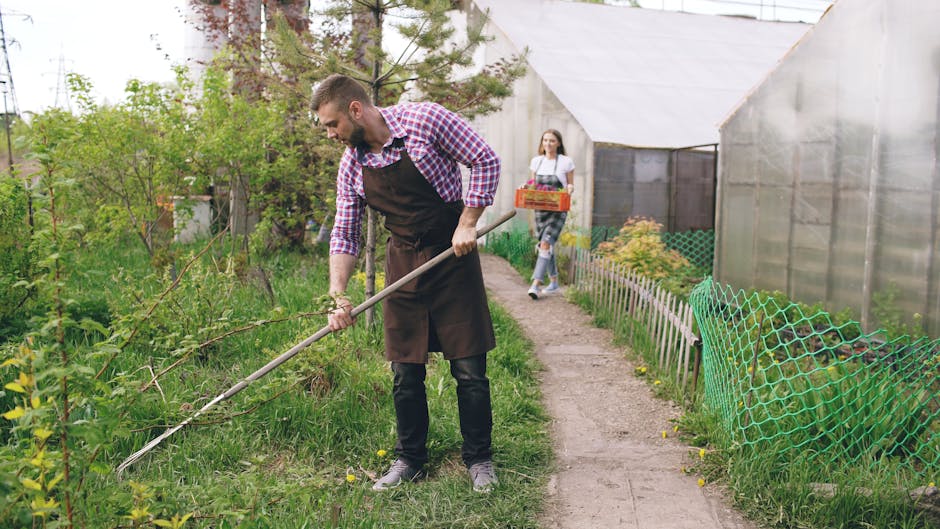
Hiring a gardener should make life easier, not create a string of awkward follow-up calls, patchy results, or a lawn that looks worse by Friday than it did on Monday. In Finsbury, where gardens can be compact, shaded, windy, shared, or simply a bit unpredictable, the wrong choice can cost you time and money fast. This guide on common mistakes when hiring Finsbury gardeners and how to avoid walks you through the pitfalls people make most often, what to look for instead, and how to brief a gardener so the job is done properly the first time. If you want a smoother process from the start, this is the practical version.
There's no magic trick here. The real win is asking better questions, checking the right details, and matching the gardener to the actual job. A hedge trim, a full makeover, routine upkeep, or a messy ivy clear-out all need slightly different skills. Get that part wrong and, well, you'll notice it later when the plant beds are uneven or the quote suddenly grows legs.
Why Common mistakes when hiring Finsbury gardeners and how to avoid Matters
Choosing a gardener is not just about finding someone with a van and a pair of gloves. It affects the shape of your outdoor space, the long-term health of plants and turf, how tidy your property feels, and how much stress you carry during the job. In a place like Finsbury, gardens often sit close to neighbours, fences, patios, and narrow access routes. That means mistakes can show up quickly: trampled borders, missed waste removal, poor pruning, or work that doesn't suit the site.
It matters for another reason too: garden work is rarely one-size-fits-all. A gardener who is brilliant at routine maintenance may not be the right person for tree work, landscaping, or stubborn clearing jobs. If you hire on price alone, or rush the decision after one short phone call, you may end up paying again to fix the first attempt. That is the bit nobody enjoys.
A better approach protects your budget and your garden. It also helps you judge whether the service you're getting is truly professional, whether it's for garden maintenance, lawn care, or something more involved like landscaping.
How Common mistakes when hiring Finsbury gardeners and how to avoid Works
The hiring process works best when you treat it as a short project, not a quick favour. Start with the problem you want solved, then match that problem to the right type of gardener, service scope, and communication style. Sounds obvious, but in practice people often skip straight to pricing and forget the basics.
Here's the simple logic:
- Define the job clearly: one-off tidy-up, seasonal care, hedge trimming, lawn recovery, clearance, planting, or broader outdoor work.
- Check whether the gardener's experience matches the job. A general maintenance visit and a tricky tree surgery enquiry are not the same thing.
- Ask what is included. Labour only? Waste removal? Materials? Access? Disposal? Timing?
- Confirm how they handle safety, insurance, and site protection. Especially important where tools, ladders, or heavy debris are involved.
- Get a written quote or clear written summary. If details are vague now, they usually stay vague later. Funny how that works.
The best hiring decisions usually come from looking at the whole picture: skill fit, communication, reliability, and transparency. Cost matters, of course, but it should sit alongside those other factors rather than replacing them.
If you're comparing broader service options, it can help to understand the difference between a general visit and a specific job such as lawn mowing, patio cleaning, or hedge trimming in Finsbury.
Key Benefits and Practical Advantages
Hiring well does more than keep the front garden neat. The right gardener saves you from repeat work, awkward misunderstandings, and avoidable damage. In practical terms, that means a cleaner finish, healthier planting, better use of time, and far fewer surprises.
- Better results: A good match between task and skill leads to cleaner pruning, healthier turf, and more consistent upkeep.
- Less waste: Clear pricing and clear scope reduce the chance of paying twice for the same job.
- Lower risk: Proper safety habits help protect people, plants, surfaces, and nearby structures.
- More predictable timing: The job is easier to schedule when the scope is properly understood from the outset.
- Healthier long-term gardens: Thoughtful maintenance prevents small issues becoming expensive ones.
There's a quiet benefit too: peace of mind. You can actually enjoy the garden again instead of hovering at the window wondering if the new border will survive the afternoon. That's worth quite a lot, to be fair.
Who This Is For and When It Makes Sense
This guide is for homeowners, landlords, tenants with garden responsibilities, and anyone managing a small commercial or shared outdoor space in Finsbury. It's especially useful if you've had a bad experience before, if your garden needs specialist attention, or if you simply want to hire with more confidence this time.
It makes sense to apply these checks when:
- your garden has become overgrown after a busy season or a long period away;
- you need routine care rather than a one-off tidy;
- you're planning a makeover and want the work done in stages;
- you have privacy concerns and want help with hedges or screening;
- you have pets, children, or shared access and need extra care with materials and timing;
- you're dealing with ivy, weeds, wind exposure, storm damage, or difficult shade conditions.
If your garden has a few awkward features, you're not alone. Many local spaces have narrow passages, mixed paving, or planting that is trying very hard to survive against the odds. In those cases, it pays to hire someone who asks smart questions, not someone who simply says "yes" to everything.
For example, if your space is exposed, a gardener who understands wind protection will think differently from one who only does basic tidying. Helpful reading on that kind of challenge includes strategies for controlling overbearing winds in gardens and protecting your garden from severe storms.
Step-by-Step Guidance
Here's a simple process that reduces risk and improves your chances of hiring the right person.
- Write down the job in plain English. Say what needs doing, what the problem is, and what success looks like. "Tidy up" is too vague. "Cut back hedge, remove waste, and leave the patio clear" is better.
- Prioritise the actual outcome. Do you want visual improvement, plant health, safety, privacy, or long-term upkeep? Pick the main goal first.
- Ask about relevant experience. If the job involves hedges, ask about hedge trimming. If it involves beds, ask how they approach planting and soil care. If it involves climbers or overgrowth, check whether they've dealt with ivy or similar problems before.
- Request a site visit or detailed quote where appropriate. Photos can help, but they don't always show access issues or hidden complications.
- Compare more than price. Look at what is included, response time, communication, and how clearly the gardener explains things.
- Confirm practical details. Start time, access arrangements, parking, waste removal, water access, pets, and any fragile areas.
- Put key points in writing. A short message or email summary can prevent lots of back-and-forth later.
That's the boring bit done, and boring is good here. A tidy process usually leads to a tidy result.
Expert Tips for Better Results
After years of seeing what goes wrong, a few patterns stand out.
1. Choose by task fit, not just by general gardening label. A gardener who is excellent with regular maintenance may not be the best fit for detailed shaping, fencing-related work, or a complete redesign. The more specific the job, the more specific the match should be.
2. Ask how they work around your garden's weak points. Shade, drainage, privacy, narrow access, and heavy clay or compacted soil all change the job. If the gardener doesn't mention these things, that's a clue.
3. Check their attitude to plants, not just tools. Good gardeners notice when a plant is stressed, when pruning would be too harsh, or when a border needs time rather than brute force.
4. Make sure the quote explains the unseen stuff. Waste disposal, difficult access, additional cutting, or post-job clean-up can change the price. Clear quotes feel calm. Vague quotes feel cheap until they're not.
5. Keep a little room for seasonal judgement. A sensible gardener may recommend postponing certain pruning or planting work because the weather or the plant cycle makes it a bad idea. That isn't a delay; it's expertise.
And a small human tip: if you feel rushed in the first conversation, pause. A garden service should feel organised, not like someone sprinting through your questions while looking for their keys.
Common Mistakes to Avoid
This is the section that saves people the most grief. The mistakes below are common, but avoidable.
1. Hiring on price alone
A low quote can be tempting, especially if the garden is looking rough. But the cheapest option may skip detail, rush the work, or leave out essentials like waste removal. Ask what the price actually covers. If two quotes look very different, it usually means the jobs are not the same.
2. Not defining the job clearly
"Just tidy it up" can mean almost anything. One gardener may prune hard, another may only lightly shape, and a third may focus on mowing. Be specific about areas, priorities, and finish. If you want a lawn-focused visit, say so. If you need ongoing care, mention that instead of assuming it will be obvious.
3. Ignoring proof of relevant experience
Local experience matters because gardens vary wildly. If you need help with hedges, ask for hedge-specific work. If you have stubborn ivy or overgrowth, ask how they would approach it. Helpful background reading includes effective techniques to eliminate ivy and top approaches to combat pesky weeds.
4. Forgetting to ask about insurance and safety
This is one of those dull questions people skip until something goes wrong. Ask whether the work is covered by suitable insurance and how safety is handled on site. If ladders, cutting tools, or heavier clearances are involved, this matters. You can also review a provider's published guidance such as insurance and safety information and health and safety policy.
5. Not checking what happens to waste
Green waste can be a surprisingly big issue. Branches, hedge clippings, soil, and old plants all need handling. If waste removal matters to you, confirm it early. Otherwise you may end up with a neat garden and a less neat pile by the side gate.
6. Overlooking access and site conditions
Narrow alleys, steps, shared entrances, locked gates, fragile paving, and wet lawns all affect how a job is done. It sounds obvious, but plenty of people forget to mention it. Then the gardener arrives with the wrong kit, or the timing gets thrown off.
7. Failing to match the gardener to specialist work
Some jobs are really niche. A privacy hedge needs a different approach from a seating-area refresh. A patio clean is not the same as a planting plan. For more targeted work, consider whether the service is really about patio cleaning, fencing, or something broader like gardening services.
8. Skipping written terms
Even a short summary helps. It should cover the scope, timing, price basis, and any extra charges. If the garden is being restored in stages, note what happens after the first visit. One sentence now can save a long phone call later.
9. Choosing someone who doesn't ask questions
Oddly enough, a good gardener is often the one who asks the most. Soil type? Pets? Sun exposure? What are you hoping to keep, and what can go? That curiosity is usually a sign of care.
10. Assuming every job is urgent
Not every garden issue needs immediate action. Some planting and pruning work is seasonal, and rushing it can be counterproductive. A good gardener will know when to act and when to wait. That restraint can be worth more than speed.
Tools, Resources and Recommendations
You do not need to be an expert to hire wisely, but it helps to use a few simple tools and reference points.
- A job list: write the tasks in priority order before you ask for a quote.
- Photos of the space: useful for first discussions, especially if access is awkward.
- A rough site plan: even a hand-drawn sketch can help if you're planning beds, seating, or screening.
- Seasonal notes: record what grows well, what fails, and what the garden struggled with last winter or after heavy rain.
- Careful budget range: know your comfort zone before comparing options.
On the practical side, the website's service and guidance pages can help you frame your job more clearly. If you're planning regular upkeep, look at garden maintenance and lawn care. If the job involves structural features or a bigger redesign, landscaping, decking services, or fencing may be more relevant.
For specialist garden content, a few useful reads include a practical garden makeover plan, creating a stunning garden on a budget, and planning seating spaces that actually work. Those are good prompts if you're trying to decide whether a gardener's idea of the job matches yours.
Law, Compliance, Standards, or Best Practice
For garden work in the UK, it's wise to follow normal best practice around safety, waste handling, access, and respectful neighbour relations. You do not need to turn the process into a legal seminar, but you should expect sensible conduct on site.
That means checking that:
- the work can be carried out safely with appropriate equipment;
- the gardener is transparent about what is included in the price;
- any potentially hazardous work is handled carefully and within the worker's competence;
- the property is left tidy and waste is handled responsibly;
- any privacy, data, or payment details are managed properly.
Where relevant, it also helps to review service terms before booking. Pages like terms and conditions, payment and security, pricing and quotes, and complaints procedure give you a clearer picture of how a professional provider expects jobs and payments to be handled.
If you ever feel uncertain about how a job will be managed, ask. That is not being awkward. It is basic due diligence, and honestly a sensible person should welcome the question.
Options, Methods, or Comparison Table
One of the biggest hiring mistakes is not understanding the difference between service styles. Here's a simple comparison to help you choose better.
| Approach | Best for | Strengths | Common risk |
|---|---|---|---|
| One-off tidy-up | Overgrown spaces, seasonal reset, move-in preparation | Fast visible improvement | May not solve underlying issues if upkeep is needed |
| Regular maintenance | Front and back gardens that need consistency | Steady presentation and healthier plants | Can be wasted if the schedule is too light or too heavy |
| Specialist task-based work | Hedges, lawns, ivy, fencing, patios, tree-related work | Better precision and task fit | Wrong specialist can cause delays or avoidable damage |
| Garden makeover or landscaping | Layout changes, new features, major improvement plans | Big visual and practical impact | Scope creep if the brief is unclear |
To be fair, most people need a mix of these at different times. The mistake is assuming every gardener should do every type of work equally well. They shouldn't, and that's okay.
Case Study or Real-World Example
A typical Finsbury garden case goes like this: a homeowner wants a "quick tidy" after months of neglect. The first quote sounds attractive and low. But the garden has two complications - dense ivy climbing a back wall and a narrow side access route to carry waste out. Those details were not discussed properly, so the first visit is rushed, the ivy returns, and the waste has to be removed separately later. Not ideal.
Now compare that with the better version. The homeowner sends photos, explains that the space needs a tidy, ivy reduction, and a clearer layout for a small seating area. The gardener asks about access, the wall surface, and what should be left in place. A clearer quote follows, the work is planned in the right order, and the garden is improved without damage to the wall or a surprise second invoice. Simple, but effective.
That is the real lesson. Good hiring is not about finding the fanciest pitch. It is about matching the job, the conditions, and the communication style. If you've ever stood in the garden holding a mug of tea while wondering why a "simple trim" turned into a longer project, you'll know exactly what I mean.
Practical Checklist
Use this before you book anyone:
- Have I written down the job clearly?
- Do I know whether I need maintenance, a specialist task, or a larger makeover?
- Have I asked what is included in the quote?
- Have I checked for relevant experience with the type of work I need?
- Have I confirmed insurance, safety, and waste handling?
- Have I explained access, pets, parking, and fragile areas?
- Have I compared more than one option, or at least checked the scope carefully?
- Have I asked about timing and whether the work is seasonal?
- Is the payment method and quote structure clear?
- Do I feel comfortable with the way they communicate?
Quick takeaway: if a gardener gives you clear answers, asks useful questions, and doesn't dodge the boring details, you are probably on safer ground. That kind of calm professionalism is worth keeping.
Conclusion
Hiring gardeners in Finsbury does not need to be complicated, but it does need a bit of thought. The biggest mistakes usually come from rushing, being vague, or focusing too much on price and not enough on fit. Once you know what to ask, what to compare, and what a proper quote should actually cover, the whole process becomes much easier.
The good news? Most of these problems are avoidable. Write a clear brief, check experience, confirm scope, and pay attention to safety and communication. Small steps, yes, but they make a big difference. And if your garden has a few quirks - shade, wind, weeds, awkward access, or a hedge that has clearly had ideas above its station - the right professional will notice that straight away.
Get a free quote today and see how much you can save.
Choosing well means less worry, fewer surprises, and a garden that feels looked after rather than merely dealt with. That is the sweet spot, really.
Frequently Asked Questions
What should I ask before hiring a Finsbury gardener?
Ask about relevant experience, what the quote includes, how waste is handled, whether insurance is in place, and how they would approach your specific garden conditions. A good gardener should answer clearly and without fuss.
Is the cheapest quote usually the best option?
Usually not. A very low quote can leave out key items such as waste removal, extra labour, or specialist work. Compare value, scope, and communication rather than price alone.
How do I know if I need maintenance or landscaping?
If your garden mainly needs ongoing care, pruning, mowing, and tidy-up work, maintenance is likely the better fit. If you want to change the layout, add features, or redesign the space, landscaping is more suitable.
Should I ask for a written quote?
Yes. A written quote helps prevent confusion about scope, timing, and price. Even a short written summary is better than relying on memory after a quick phone call.
What are the biggest red flags when hiring a gardener?
Vague pricing, no clear explanation of what is included, reluctance to discuss safety, and a lack of questions about your garden are all warning signs. If something feels rushed, it probably is.
Do I need a gardener with insurance?
It is wise to choose someone with suitable insurance, especially for work involving ladders, tools, debris, or more complex tasks. It helps protect both sides if something unexpected happens.
How often should I hire a gardener for regular upkeep?
That depends on the garden size, planting style, and how quickly things grow. Some spaces need weekly or fortnightly care, while others only need seasonal attention. A good gardener can suggest a sensible rhythm.
Can a gardener help with ivy, weeds, and overgrowth?
Yes, many can, but it is worth checking their experience with those specific problems. For stubborn growth, you want someone who understands removal methods and follow-up care, not just cutting things back.
What should be included in a gardening service quote?
The quote should ideally explain the work to be done, whether waste removal is included, any extra charges, access assumptions, timing, and whether materials are part of the price.
Are one-off visits or regular visits better?
It depends on your goal. One-off visits are good for a reset or a specific issue. Regular visits are better if you want the garden to stay consistently tidy and healthy over time.
How can I make the hiring process easier?
Take a few photos, write a short brief, mention the main priorities, and be honest about awkward access or problem areas. That little bit of prep saves a lot of back-and-forth.
What if I am not sure what work my garden actually needs?
That is common. Start with the biggest visible issues and ask the gardener to assess the rest. A sensible professional will help you separate urgent work from nice-to-have improvements without overcomplicating it.