Clerkenwell allotment gardening services advice for plot holders
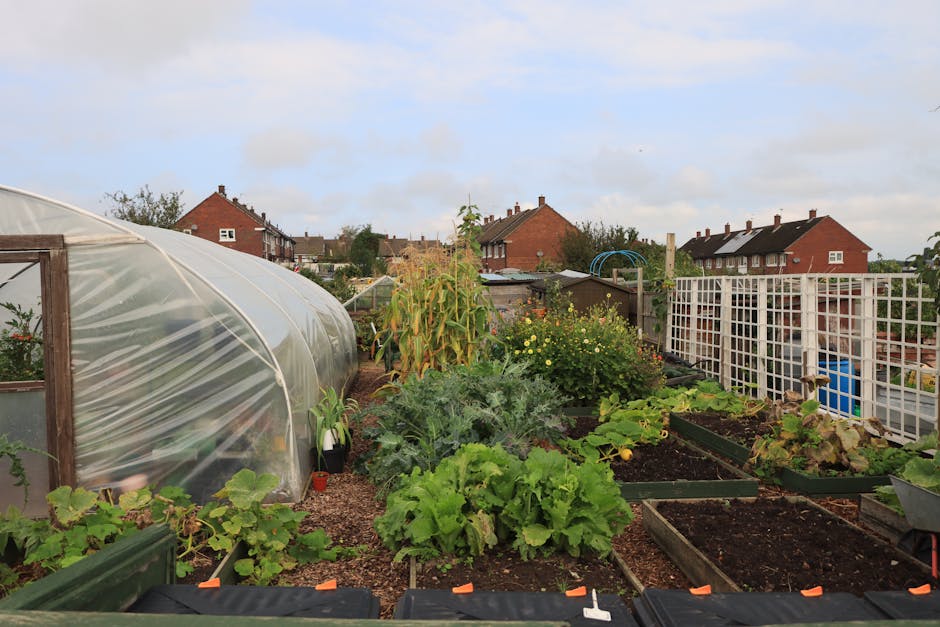
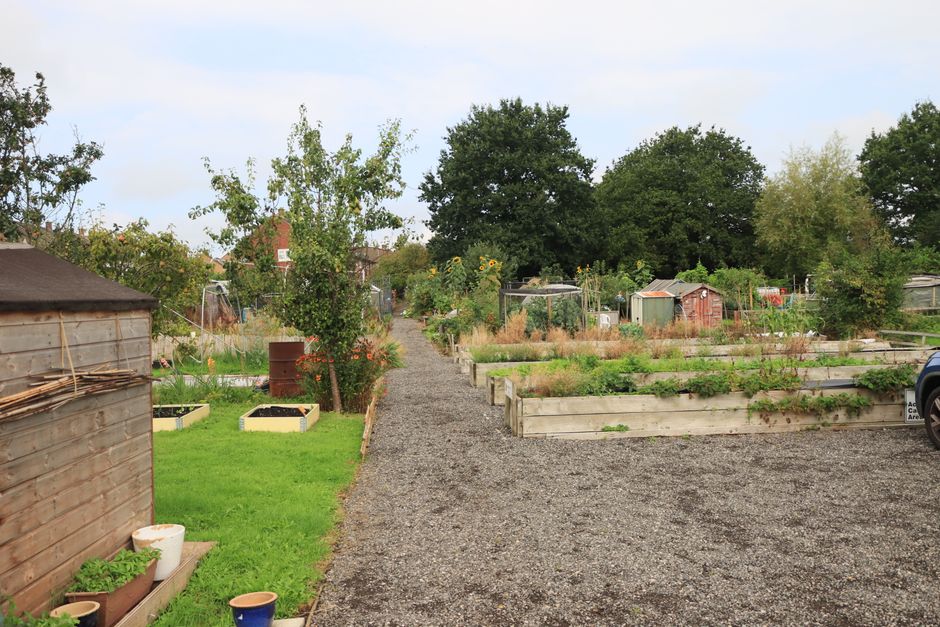
Allotment gardening in Clerkenwell has its own rhythm: narrow paths, busy schedules, changeable weather, and plots that can turn from tidy to tangled faster than you'd like. If you're a plot holder, the right Clerkenwell allotment gardening services advice can make the difference between a patch that merely survives and one that genuinely produces. This guide brings together practical, local-minded advice for keeping your plot manageable, productive, and enjoyable through the year.
Whether you're dealing with weeds after a wet spell, a tired bed that needs rebuilding, or a plot that's become difficult to keep on top of, the aim here is simple: help you make better decisions with less guesswork. You'll find step-by-step guidance, common mistakes to avoid, a useful checklist, and realistic advice about when professional help is worth it.
Table of Contents
- Why Clerkenwell allotment gardening services advice for plot holders Matters
- How Clerkenwell allotment gardening services advice for plot holders Works
- Key Benefits and Practical Advantages
- Who This Is For and When It Makes Sense
- Step-by-Step Guidance
- Expert Tips for Better Results
- Common Mistakes to Avoid
- Tools, Resources and Recommendations
- Law, Compliance, Standards, or Best Practice
- Options, Methods, or Comparison Table
- Case Study or Real-World Example
- Practical Checklist
- Conclusion
- Frequently Asked Questions
Why Clerkenwell allotment gardening services advice for plot holders Matters
Allotments are not ordinary gardens. They're shared, community-based spaces where plot holders have a responsibility to keep their area cultivated, safe, and respectful of neighbours. In Clerkenwell, that matters even more because many growers are working with limited time, limited storage, and often limited access. A plot can't always be treated like a weekend hobby that you'll "sort out next month". Let's face it, weeds don't wait politely.
Good advice matters because allotments tend to fail in predictable ways. Beds get overrun. Paths become slippery. Watering becomes inconsistent. Comfrey, bindweed, ivy, and persistent annual weeds can creep in and take over if they're not managed early. The result is not just untidy ground; it's lost growing space, extra work, and sometimes friction with site rules or fellow plot holders.
There's also the simple morale factor. A well-kept plot is easier to enjoy. It invites you in on a grey Tuesday evening in March, not just on a sunny Sunday in July. That emotional side is real. People keep going when the space feels manageable.
If you're looking for broader help beyond a single issue, it can be useful to combine plot care with wider site support. Many plot holders also find value in professional garden maintenance when a plot needs regular attention rather than a one-off tidy.
How Clerkenwell allotment gardening services advice for plot holders Works
In practical terms, allotment gardening services are usually best understood as a support system. They don't replace your ownership of the plot or your day-to-day involvement. Instead, they help with the heavier, more technical, or more time-consuming tasks. That can include clearing neglected beds, pruning overgrown growth, improving soil structure, reducing weeds, cutting back invasive climbers, and preparing the plot for planting.
The advice piece is just as important as the labour. A good approach starts with assessing the plot honestly. What's growing well? What's choking the bed? Which areas dry out too quickly? Which corners stay wet and compacted? A rushed tidy-up without assessment often creates more work later. A careful plan, by contrast, gives you a clear sequence: clear, repair, improve, plant, maintain.
In a typical allotment season, the work might be broken into smaller visits. Spring usually focuses on clearance and composting. Early summer is about supporting growth and staying ahead of weeds. Late summer can mean harvesting, pruning, and preparing for autumn crops. Winter, if you're still active, is the time for structure, protection, and soil care. It's not glamorous, but that's where long-term success comes from.
If your plot has a lot of climbing or woody growth, you may also want to read about effective techniques to eliminate ivy from your yard permanently and using evergreen climbers to soften boundaries. Those topics often overlap with allotment boundaries, sheds, and shared fencing.
Key Benefits and Practical Advantages
The biggest benefit is time. Most plot holders are juggling work, family, travel, and the usual London pace. A plot that needs three hours of problem-solving before you can even plant a lettuce is not exactly relaxing. Advice and support help you use your time well.
Here are the main advantages in plain English:
- Faster recovery of neglected plots - useful after a long absence or a difficult season.
- Better yields - healthier soil and less competition from weeds generally mean better crops.
- Lower maintenance stress - a sensible layout and routine reduce the feeling of constant catch-up.
- Improved safety - tidy paths, secure edges, and manageable growth reduce trip hazards and awkward access.
- Stronger plant resilience - well-chosen supports, mulches, and wind protection help crops survive swings in weather.
- Better use of space - especially valuable on smaller plots where every square metre counts.
There's a quieter benefit too: confidence. Once you know what matters most, the whole plot feels less intimidating. You stop reacting to every leaf and start making proper decisions. That shift is underrated.
For plot holders who want to grow herbs, salads, and compact crops, advice on layout and containers can be especially useful. A well-planned bed or pot area may be more productive than a larger but chaotic section. If that sounds familiar, have a look at cultivating in containers and growing your own fresh herbs.
Who This Is For and When It Makes Sense
This kind of guidance is for more people than you might think. New plot holders need it because allotments can be a shock at first. Experienced growers need it when a plot becomes too much to handle alone, or when life gets busy and the weeds win for a while. It happens. No drama.
It also makes sense if you:
- have inherited a neglected or half-managed plot
- are preparing for a growing season after winter damage
- need help with pruning, clearance, or soil improvement
- struggle to keep up with regular maintenance visits
- want to improve production without expanding the plot
- are trying to make a shared allotment area look more respectable and functional
Sometimes the right move is not a complete overhaul. Sometimes it's just a realistic reset. For example, if the bed edges are unclear, the compost area is awkward, and one corner has become a tangled mess of weeds and old canes, a focused tidy-up and re-layout can change everything. You'll notice the difference the first time you walk in and feel calm rather than guilty. That's not a small thing.
Step-by-Step Guidance
A sensible allotment plan usually follows the same order, even if the details vary by plot.
- Walk the plot slowly. Don't start cutting blindly. Look for weeds, damaged structures, standing water, dead plants, and areas that get the most sun or shade.
- Separate what stays from what goes. Keep healthy plants, support structures, and useful materials. Remove dead, diseased, or invasive growth early.
- Clear access first. Paths, gates, and edges should come before beds. If you can move safely, everything else becomes easier.
- Deal with the worst weeds. Focus on perennial weeds and creeping roots before tidying the rest. A bit of patience here saves weeks later.
- Improve the soil. Add compost, mulch, or organic matter where appropriate. If the soil is compacted, fork it carefully rather than overworking it.
- Plan the layout. Put tall crops where they won't shade smaller ones unnecessarily. Keep irrigation and access practical.
- Install supports and boundaries. Cane frameworks, netting, trellises, and edging keep a plot orderly and reduce future damage.
- Mulch and water wisely. This is especially important in dry spells or when you're growing in containers.
- Set a maintenance rhythm. A little and often beats heroic two-month catch-ups. Every plot holder learns this eventually.
If you want to make the plot feel calmer visually, especially where boundaries are messy or overlooked, you may find ideas from quick-growing hedges for privacy surprisingly useful in adapted form. Not every idea needs to be used literally; sometimes the structure of the advice is what matters.
Expert Tips for Better Results
A few practical habits make a big difference. First, don't try to do everything in one visit. That is a classic allotment trap. You arrive full of energy, pull a few weeds, move some pots, start a bed, then look up and it's gone 6pm and the plot still feels half-finished. Better to leave with one clearly improved area than ten unfinished ones.
Second, think in layers. Good plots are not built on enthusiasm alone. They're built on structure: paths, beds, compost, water access, storage, and plant choice. If one of those layers is weak, the whole plot feels harder than it should.
Third, use seasonal timing to your advantage. Cold weather care is different from summer care, and trying to treat them the same is a mistake. A windy March morning is not the time to baby tender plants outdoors without protection. Likewise, midsummer is the time to focus on moisture retention and pest watchfulness. For seasonal support, see how to help plants thrive in cold months.
Fourth, put time into what saves time later. A simple mulch layer, a firm path edge, or a better cane support can reduce hours of future work. That's the sort of investment that feels boring for two minutes and brilliant for the rest of the season.
Finally, be honest about your limits. If a section of the plot is clearly beyond a quick tidy, it may need professional intervention or a phased plan. There's no shame in that. In fact, it's usually the smarter call.
Common Mistakes to Avoid
Most allotment problems are not dramatic. They're cumulative. A missed week turns into two. A small weed patch seeds itself. A loose support collapses after rain. Tiny things become big things, and then the plot feels like it's arguing back.
- Ignoring perennial weeds - annual weeds are annoying; persistent root systems are the real headache.
- Over-clearing too fast - removing everything without a plan can leave bare soil exposed and vulnerable.
- Poor plant spacing - crowded crops increase disease risk and make weeding harder.
- Letting paths disappear - access matters more than people think, especially in wetter months.
- Using the wrong support systems - flimsy stakes on climbing plants tend to fail at exactly the wrong time.
- Skipping soil improvement - a neat plot with poor soil still underperforms.
- Leaving waste piles too long - they attract pests and make the site look neglected.
One more thing: don't assume a busy-looking plot is automatically a productive one. Sometimes it's just busy. A good plot is intentional, not crowded.
For specific problem plants, especially ivy and ground-hugging spreaders, it helps to study how they move and regrow. This is where practical reading like approaches to combat pesky weeds and useful ground cover plants can save a lot of frustration.
Tools, Resources and Recommendations
You do not need a van full of gadgets to keep an allotment under control. But a few dependable tools are worth having. The aim is practicality, not a garden shed full of shiny promises.
- Sharp hand tools - secateurs, a border fork, a hand trowel, and a weeding tool
- Long-handled equipment - for clearing larger areas without wrecking your back
- Gloves and sturdy footwear - simple, but essential
- Canes, ties, and netting - for support and crop protection
- Wheelbarrow or trug - to move waste, compost, and materials efficiently
- Watering cans or hoses where permitted - especially important for new beds and containers
- Compost materials - for improving soil and recycling organic matter
For plot holders who want to make better use of limited space, container growing and vertical structures can be a game-changer. If your plot feels small, awkward, or patchy, think upward as well as outward. Vertical gardening ideas can be adapted very neatly for allotment corners, sheds, and pathways.
And if you are trying to improve soil quality, don't overlook the value of recycling kitchen and garden waste properly. The article on turning organic scraps into lush soil is a good reminder that better growing often starts with what you already have.
Law, Compliance, Standards, or Best Practice
Allotment gardening often involves site rules, lease conditions, and local expectations, even if they vary from one site to another. The exact rules are not something to guess at, so always check the guidance issued for your specific plot. In general, the safest approach is to treat the site as shared space where neatness, access, and safe handling of materials all matter.
Best practice usually includes keeping paths clear, avoiding obstructions, managing waste responsibly, and maintaining your plot so it does not negatively affect adjacent plots. If you're using tools, ladders, or powered equipment, safe handling becomes important very quickly. No one wants a rushed job that turns into a trip hazard or damage issue.
It's also wise to think about general safety and insurance considerations when arranging work on-site. If someone is helping with heavier maintenance, clearance, or tree-related tasks, there should be a sensible discussion about access, hazards, and what will happen if weather changes. The site may be informal, but the basic standards still matter. For a broader look at these concerns, see health and safety guidance and insurance and safety information.
If you're commissioning help, it is also normal to ask about pricing clarity, payment expectations, and how complaints are handled if something isn't quite right. That's just sensible. The paperwork bit isn't exciting, but it avoids awkwardness later. For that side of things, the site's pricing and quotes, payment and security, and complaints procedure pages are useful references.
Options, Methods, or Comparison Table
Plot holders usually choose between doing everything themselves, getting help with a few difficult jobs, or arranging ongoing support. Each route can work. The right one depends on time, physical capacity, plot condition, and how much of the maintenance burden you want to carry.
| Approach | Best for | Strengths | Limitations |
|---|---|---|---|
| DIY only | Small, tidy, regularly visited plots | Low cost, full control, hands-on learning | Time-heavy, easy to fall behind, physically demanding |
| Occasional professional help | Plots that need clearance or seasonal resets | Good for problem areas, faster recovery, targeted support | Requires planning, less helpful if upkeep lapses again |
| Ongoing maintenance support | Busy plot holders or neglected plots | Consistent results, lower stress, better continuity | Higher ongoing commitment, needs clear scope |
If you want to judge the options properly, ask one question: what do I want to stop worrying about? For some people it's weeds. For others it's boundary growth, soil conditioning, or keeping the plot presentable when life gets hectic. Honest answer, that question tends to decide the whole plan.
Case Study or Real-World Example
A plot holder in Clerkenwell, let's call her Nadia, had a plot that looked fine from a distance but was quietly becoming unmanageable. The access path had narrowed, bindweed had started climbing through one corner, and her brassica bed was losing light because of unchecked growth on the edge. Nothing was fully broken. It was just all starting to lean the wrong way.
The first step was not a big makeover. It was a practical reset. The overgrown corner was cleared back in stages, the path was re-established, and a simple support system was put in place for climbing crops. Compost and organic matter were added to two tired beds. A couple of awkward containers were moved where they would get better sun. That was it, more or less.
Within a few weeks, the plot felt different. Not perfect. Better. The kind of better that makes you want to go back after work instead of putting it off until Saturday. Nadia's biggest comment was that the plot no longer looked like a problem waiting to happen. It looked like a place to grow things again. That shift matters more than people realise.
There was also one small surprise: once the layout became clearer, watering and harvesting took less effort than before. A tidy structure can feel almost invisible once it's in place, which is exactly the point.
Practical Checklist
Use this as a quick pre-season or mid-season check. It keeps things simple.
- Are the paths clear and safe to walk?
- Have perennial weeds been removed or contained?
- Is the soil improved with compost or other organic matter where needed?
- Are tall crops supported properly?
- Do the beds have a sensible layout for sun, shade, and access?
- Are containers watered consistently and not left to dry out?
- Has the plot been cleared of dead material and obvious waste?
- Are boundaries, edges, and shared lines tidy enough for a communal site?
- Is there a simple maintenance routine for the next two weeks?
- Do you know which tasks are best left to a professional?
Sometimes a checklist feels almost too basic, but honestly, basic is what keeps allotments moving forward. Fancy is optional. Consistent is not.
Conclusion
Clerkenwell allotment gardening services advice for plot holders is really about making plot care more manageable, more productive, and less stressful. A plot does not need to be huge or immaculate to be rewarding. It needs structure, attention, and a plan that matches real life. If you keep that in mind, the work becomes lighter and the results become more satisfying.
The best plots are usually the ones that are looked after steadily rather than rescued repeatedly. Small improvements, repeated often, do more than heroic bursts of effort. And when the plot finally feels under control again, that quiet satisfaction is hard to beat. You know it when you see it - that moment when the weeds are down, the beds make sense, and the whole place exhales a little.
If your allotment needs a fresh start, a seasonal tidy, or help with the jobs that keep slipping down the list, a structured, local-minded approach is usually the smartest place to begin.
Get a free quote today and see how much you can save.
And if you'd like to learn more about the team behind the work, a good next stop is about us.
Frequently Asked Questions
What does allotment gardening support usually include for plot holders?
It usually includes clearance, weeding, pruning, soil improvement, bed preparation, path tidying, and general plot maintenance. Some people only need occasional help; others need a more regular plan.
Is professional help worth it for a small allotment plot?
Yes, it can be. Small plots can actually become messy very quickly if access is awkward or weeds take hold. A focused visit can save a surprising amount of time.
How often should an allotment plot be maintained?
In peak growing season, little-and-often is best. Even short weekly visits can keep weeds and dry soil under control much more effectively than occasional big clear-ups.
What should I do first if my plot has been neglected?
Start with a full assessment, then clear access, deal with the most invasive weeds, and only then move on to planting or layout changes. Jumping straight to planting usually backfires.
Can allotment support help with weeds and invasive growth?
Absolutely. Weed control is one of the main reasons plot holders seek advice or help. Persistent weeds, ivy, and creeping roots are far easier to tackle early than later.
How do I know whether I need a one-off tidy or ongoing maintenance?
If the plot is only temporarily behind, a one-off reset may be enough. If it keeps slipping back into disorder, ongoing maintenance is usually the more realistic choice.
What tools should a plot holder always have?
At minimum, sharp secateurs, a hand trowel, a fork, gloves, strong footwear, and something for moving waste or compost. A few reliable tools beat a shed full of neglected ones.
Are there safety issues to think about on an allotment?
Yes. Uneven ground, hidden debris, unstable supports, and heavy lifting are all common concerns. Safe access and sensible handling matter just as much as growing skills.
What is the best way to improve tired allotment soil?
Add organic matter where appropriate, avoid overworking compacted soil, and use mulch to protect the surface. Compost and steady improvement usually work better than quick fixes.
Can I combine vegetables, herbs, and flowers on one plot?
Definitely. Mixed planting can support pollinators, improve the look of the plot, and make better use of space. It just needs a plan so taller plants do not shade everything else.
How do I keep an allotment manageable during winter?
Focus on protection, clearing dead material, checking structures, and preparing for the next season. Winter is also a good time to sort the plot layout and reduce clutter.
Who should I speak to if I want help getting started?
The simplest next step is to discuss the condition of the plot, what you want to achieve, and whether you need a one-off intervention or ongoing support. A clear conversation up front saves headaches later, which is always nice.