 020 3744 3778
The Art of Cultivating in Containers
Posted on 01/10/2025
The Art of Cultivating in Containers: Unlocking Green Possibilities
Container gardening--or, as many lovingly call it, the art of cultivating in containers--is a flourishing trend that transforms small, challenging spaces into vibrant patches of nature. Whether you possess an expansive backyard or a modest apartment balcony, this gardening method opens a world of possibilities for urban dwellers and seasoned gardeners alike. This comprehensive guide explores not only how to start but how to truly master the intricate techniques of container plant cultivation for healthy, thriving container gardens.
Why Choose Container Cultivation?
Container cultivation is much more than an answer to space limitations; it's an art form rooted in creativity, adaptability, and sustainability. Here's why so many are embracing the container planting lifestyle:
- Adaptability to Space: Perfect for balconies, patios, windowsills, and rooftops.
- Mobility: Move your potted plants easily to adjust for light, temperature, and aesthetics.
- Pest & Disease Management: Limit soil-borne pests and diseases by starting with fresh, controlled potting mixes.
- Creative Freedom: Experiment with colors, heights, and combinations of various plant species.
- Year-Round Gardening: Continue growing through seasons with indoor containers or mini-greenhouses.
Container gardening combines practicality with beauty--you are limited only by your imagination!
Selecting the Right Containers: The First Brushstroke
When it comes to cultivating in containers, the type of container you choose sets the stage for your plant's health and your garden's aesthetics. There are several key factors to consider.
Container Material Matters
- Clay/Terracotta: Attractive and porous, allowing airflow but drying out quickly--ideal for herbs and succulents.
- Plastic: Lightweight, retains moisture, and cost-effective--excellent for both indoor and outdoor use.
- Ceramic/Glazed: Retains water longer, visually striking, but heavier and less breathable.
- Metal: Sleek and modern, but can heat up and potentially damage roots.
- Wood: Natural and insulating, but requires regular maintenance to prevent rot.
Drainage: Non-Negotiable for Healthy Roots
A crucial aspect of container gardening is ensuring that all containers have drainage holes. Water must escape, or your plant roots risk suffocation and rot. If your ideal planter lacks proper holes, use a drill or liner to create an escape for excess moisture.
Size: The Home for Your Roots
Select a pot that matches your plant's growth potential. Too small, and roots become cramped; too large, and soil may stay wet, leading to disease. As a general rule, choose a container at least two inches larger in diameter than the plant's current pot.
The Foundation: Choosing the Perfect Potting Mix
Unlike in-ground gardening, container cultivation demands a high-quality potting mix for optimal growth. Garden soil is usually too dense and may harbor pests. Instead, select or make a custom container soil with these essential components:
- Peat Moss or Coconut Coir: Lightens the mix, retains moisture while providing aeration.
- Compost: Feeds plants naturally and enhances soil fertility.
- Perlite/Vermiculite: Improves drainage and prevents soil compaction.
- Slow-Release Fertilizer: Feeds plants gradually for consistent growth.
Tip: Always check for pathogens or weed seeds in your compost and thoroughly mix components for even texture.
Plant Selection: Matching Plants to Pots and Places
The art of cultivating in containers thrives on careful plant choice. Some plants adapt more readily to container life--here's what to consider:
Ornamental Plants for Color and Structure
- Annuals: Petunias, impatiens, marigolds for seasonal splashes of color.
- Perennials: Hostas, ferns, small ornamental grasses for lasting displays.
- Shrubs and Dwarfs: Boxwoods, Japanese maples, dwarf conifers add structure and height.
Edible Container Gardens
Growing your own food is incredibly rewarding. Choose compact or dwarf varieties when possible:
- Herbs: Basil, parsley, chives, cilantro thrive in window boxes or patio pots.
- Vegetables: Tomatoes, peppers, lettuce, radishes, and leafy greens are ideal for planters.
- Fruit: Strawberries, blueberries (in acidic soil), and even dwarf citrus in larger tubs.
Always match your plant's light, water, and root requirements to your container size and growing conditions.
The Artful Arrangement: Design Techniques for Container Planting
A striking container garden is more than a collection--it's a composition. Follow these fundamental principles of container design:
The Thriller, Filler, Spiller Method
- Thriller: A tall, bold centerpiece--like ornamental grass or a spiked flower--adds drama and height.
- Filler: Bushy, medium-height plants fill gaps and add mass (think begonias or coleus).
- Spiller: Trailing vines or groundcovers like ivy, sweet potato vine, or lobelia cascade down the sides.
Color Theory and Contrast
- Complementary Colors: Pair blue and orange, purple and yellow, or red and green for vivid contrast.
- Monochromatic Scheme: Different shades of a single color offer sophisticated unity.
- Foliage Texture: Mix broad, spiky, and lacey leaves for visual interest year-round.
Groupings and Repetition
- Cluster three or more containers of varying heights for impact.
- Repeat colors or plant types across pots for cohesion.
Tip: Experiment. The beauty of container plantings is flexibility--if an arrangement isn't working, simply rearrange!
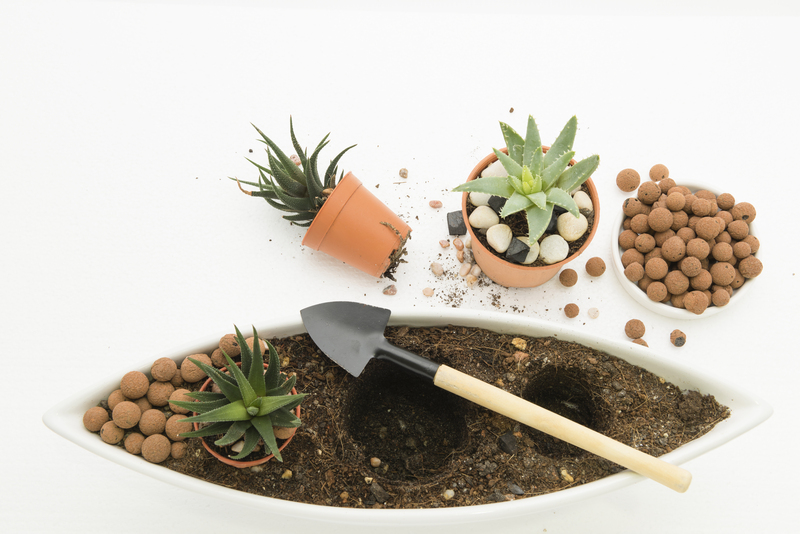
Planting Technique: Setting Up Your Container Garden
Proper planting is essential for a thriving container garden. Here's a step-by-step guide:
- Prepare Your Pots: Clean and sterilize used pots to prevent disease. Ensure drainage holes are clear.
- Add a Base Layer: Some gardeners use a thin layer of gravel or shards to help with drainage, but quality potting mix is typically sufficient.
- Fill with Potting Mix: Leave 1-2 inches of space below the rim for watering.
- Arrange Your Plants: Gently loosen root balls. Place tall thriller near the center or back, fill around with smaller plants, then add your spillers at the edges.
- Firm and Water: Press soil gently around roots and water thoroughly until moisture runs out the base.
Maintenance: Keeping Your Container Plants Healthy
Consistency is the hallmark of masterful container cultivation. Focus on the following key care aspects:
Watering Wisdom
- Monitor Daily: Containers dry out faster than in-ground beds. Feel soil moisture with your finger.
- Deep, Even Watering: Water until you see excess flow from the bottom, ensuring roots are hydrated.
- Self-Watering Pots: Consider for high-maintenance plants or busy schedules.
Feeding for Abundance
- Fertilize Regularly: Nutrients are used up quickly in container soil. Use a balanced liquid feed every 2-4 weeks, or slow-release pellets at planting.
- Organic Amendments: Add compost tea or worm castings for a natural boost.
Pruning and Grooming
- Deadhead faded flowers to stimulate more blooms.
- Trim overgrown or leggy stems to maintain good form.
- Pinch back herbs frequently for bushier growth.
Pest and Disease Vigilance
- Inspect leaves weekly--look for signs of aphids, mealybugs, powdery mildew, or rot.
- Remove affected leaves immediately, and isolate if needed.
- Choose natural remedies like neem oil or insecticidal soap for most common pests.
Seasonal Strategies for Year-Round Enjoyment
Spring and Summer:
- Plant vibrant annuals and heat-tolerant edibles.
- Check water more often as temperatures rise.
Autumn:
- Switch to autumn-hued flowers (like mums) and late-season vegetables.
- Harvest edible crops before the first frost.
Winter:
- Move vulnerable containers indoors or insulate with straw/burlap.
- Grow hardy evergreens or experiment with indoor bulbs and succulents.
Tip: Rotate container displays to refresh your scheme and maximize enjoyment every season.
Eco-Friendly Container Gardening
Sustainability is at the heart of modern container cultivation. Aim for green practices:
- Recycle and Upcycle: Use repurposed buckets, barrels, or even rubber boots as imaginative pots.
- Choose Biodegradable Pots: Coir, peat, or rice hull planters reduce plastic waste.
- Harvest Rainwater: Use collected rainwater for irrigating your containers.
- Organic Methods: Opt for natural pest deterrents, compost-based feeds, and heirloom seeds.
Creative Ideas for Unique Container Gardens
- Vertical Gardening: Utilize wall planters, hanging baskets, and shelving for a vertical green space.
- Edible Walls: Grow lettuces, strawberries, and herbs on a living wall for easy harvesting.
- Fairy Gardens: Miniaturize your landscape with small pots, tiny plants, and whimsical decorations.
- Water Features: Plant aquatic species like lotus or water lilies in sealed containers for a tranquil effect.
- Mixed Themes: Blend succulents with cacti, or combine herbs and edible flowers in one big pot.
Conclusion: Cultivating a Lush Life, One Pot at a Time
The art of cultivating in containers is as rewarding to the soul as it is to the senses. With a little knowledge, practice, and creativity, your porch, patio, or windowsill can burst into a palette of color, texture, and flavor. No outdoor space is too small, no imagination too grand. Whether growing ornamental displays or bountiful edibles, every gardener can find delight in the world of container cultivation.
Embrace the flexibility, eco-friendliness, and year-round potential of container gardening--and watch as your urban jungle or country retreat flourishes, one container at a time.
Frequently Asked Questions on Container Cultivation
-
Q: What is the best container for beginners?
A: Plastic pots are affordable, lightweight, and easy to move, making them a great choice for newcomers to container plant cultivation. -
Q: How often should I water my containers?
A: Most pots require watering every few days, but check the soil moisture daily, especially in summer heat. -
Q: Do I need to fertilize my plants?
A: Yes! Container soil loses nutrients over time; supplement with balanced organic or synthetic fertilizers according to the plant's needs. -
Q: Can I grow trees in containers?
A: Dwarf or slow-growing tree varieties are well-suited to large, sturdy containers. -
Q: Why are my plants wilting even when I water them?
A: Wilting can be from under-watering, root rot due to overwatering or poor drainage, or heat stress. Adjust care and check for pests or root issues.
Start Your Container Growing Journey Today!
With the tips and insights found here, you're well-equipped to embrace the art of cultivating in containers. Choose your vessels, mix your soil, pick your plants, and start creating your own pocket-sized paradise today. Happy planting!
Latest Posts
Convert Organic Scraps to Lush Soil
The Art of Cultivating in Containers
Creative Shapes to Enhance Your Garden